


Impact
Everything we do has an impact. That is why we review every decision, from the materials we choose to how and where we produce, in order to reduce it as much as possible.
It is not about doing it perfectly, but about doing it better: using fewer resources, making better use of materials, and gaining a deeper understanding of everything behind our garments.


REDUCE
RESOURCES & OPTIMIZATION
It’s not just about making sustainable garments — it’s also about ensuring that the manufacturing process is sustainable. That’s why we take actions that reduce resource use: we use less water in fiber production, reduce soil erosion, implement closed-loop water systems to reuse water throughout the process, and optimize logistics and the production chain. In short, we invest in reducing everything that doesn’t add value to the planet. Less is always more.
WASTE
Through our “zero waste” policy, we innovate to find solutions that help us reduce waste at every stage: we reuse fibers to create new ones, manage office materials efficiently, and use recycled materials to build our stores.
This philosophy is complemented by our “zero-stock” mindset, aimed at minimizing environmental impact by reducing samples and producing only what we believe will sell. In this context, RE-COLLECTIONS was born: a second chance for garments from past collections that were not sold at the time. Our goal is simple — nothing goes to waste.
RE-COLLECTIONS
Second chances are sometimes worth it.
Following our “zero stock” policy, we only produce what we believe will sell. However, predicting the exact amount of clothing people will buy isn’t always possible. RE-COLLECTIONS was created to give a second life to garments from past collections that didn’t sell when they were first launched, and occasionally to a small selection of current collection pieces at special prices — so you can enjoy them at the right moment.

HOW IT WORKS
We innovate to find the best fibers and the most respectful ways to produce clothing. We select fibers that are responsibly sourced: organic, recycled, biodegradable — designed to reduce our impact.
Some of our garments are made from seaweed, others are dyed with natural flower pigments, and entire collections are crafted from hemp. We dare to try it all.
BIOFIBERS
Biofibers are fibers obtained from renewable natural resources and are generally biodegradable, designed to reduce environmental impact.
We aim for their production to be sustainable not only in cultivation, but also to regenerate the environment where they are produced, giving back to the land part of the natural resources extracted.
ORGANIC COTTON
Protects ecosystems: Grown without the use of pesticides or synthetic fertilizers. Requires up to 60% less water than conventional cotton
What does it offer you? A soft, durable and hypoallergenic garment.
HEMP
Its cultivation requires less water and helps regenerate the environment.
It generates no waste — 100% of the plant is used. It absorbs up to 4 times more CO₂ than trees and enriches the soil.
What does it offer you?
A breathable garment that regulates moisture in both winter and summer, and is up to 10 times more durable than cotton.


REGENERATED NATURAL FIBERS
These are fibers obtained from natural materials, such as wood, algae, or plants, which have been processed to create new fibers.
SEACELL
Made from seaweed in a process that produces no chemical waste or emissions.
What does it offer you? A comfortable, durable, breathable, skin-friendly, and soft garment.
TENCEL
A biodegradable and compostable fiber. Produced from wood sourced from responsibly managed forests. What does it offer you? A soft, strong, and long-lasting garment.
ECOVERO
Derived from certified and controlled wood sources. More sustainable than conventional viscose — its production generates fewer emissions and uses less water.
What does it offer you? A soft, lightweight, comfortable, and breathable garment.
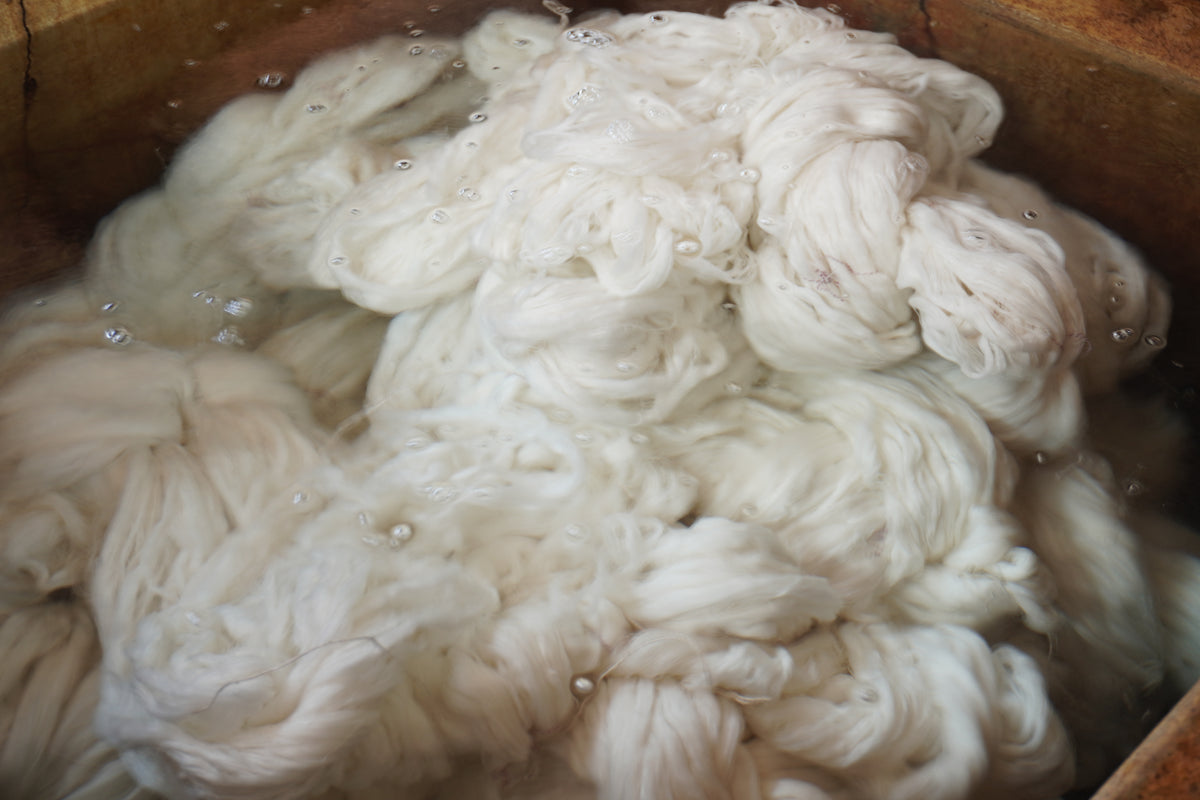
REGENERATED SYNTHETIC FIBERS
These fibers come from recycled synthetic materials, such as plastics or textile waste, which are processed to create new, more sustainable fibers.
RECYCLED POLYESTER
Made from recycled plastic bottles, minimizing waste. Uses 59% less energy than conventional polyester and reduces CO₂ emissions.
What does it offer you? A durable and versatile garment.
TRACEABILITY

Every garment has a story. Knowing where it comes from, who made it, and how it was created helps us make more conscious decisions. That is why we see traceability as a way of sharing everything behind our collections. From the people we work with and the places where we produce, to the certifications that support our processes.
WHO WE WORK WITH
We maintain a very close relationship with our suppliers, a network of partners located across Spain, Portugal, Turkey, India, and China. With some of them, we have spent more than 10 years building stable relationships based on trust, attention to detail, and a shared understanding of quality products.
You can consult the updated list of our suppliers and their certifications here.
WHERE WE PRODUCE
Nothing is left to chance. Our production processes take place in the same countries where the fabrics we use are sourced, reducing transportation and optimizing resources to make production more responsible.
CERTIFICATIONS
Our garments carry official certification labels that validate our commitment to social and environmental responsibility.
TRACEABILITY
All our garments include a QR code label that allows you to follow their journey, discover their story and origin, and measure their environmental and social footprint.
OUR CERTIFICATIONS
